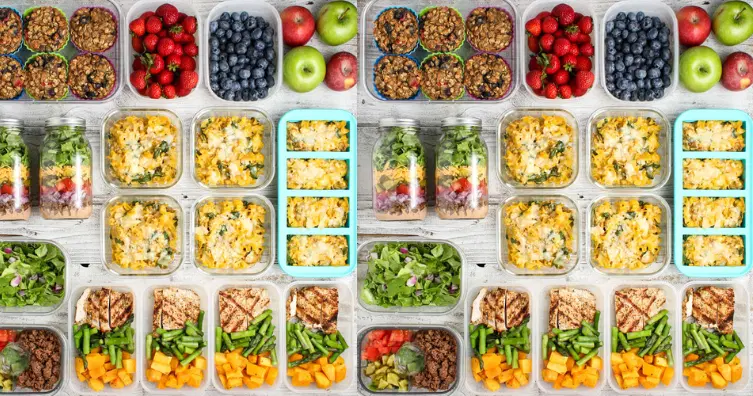
The average UAE household spends AED 2,000 to AED 4,000 per month on groceries. With the right combination of loyalty programmes, cashback cards, delivery app strategies, and buying habits, you can realistically cut AED 200 to AED 600 off that bill every month without downgrading what you eat. None of these tips require extreme couponing or switching to lower quality products. They require knowing which tools exist and using them consistently.
1. Supermarket loyalty programmes
Every major supermarket chain in the UAE now has a loyalty programme. The returns are modest individually, but they compound over months when used consistently on spending you would do anyway.
| Programme | Supermarket | How it works | Typical return |
|---|---|---|---|
| MyClub | Carrefour (Majid Al Futtaim) | Earn points on every purchase. 1 point = 1 dirham. Exclusive MyClub member prices on selected items | 1% to 3% depending on offers |
| SHARE Rewards | Carrefour, City Centre, MOE | Link to FAB SHARE card for up to 3.25% cashback at MAF properties. Up to 6% on Carrefour with SHARE app | 3% to 6% on Carrefour |
| Tamayaz | Union Coop | Up to 5% cashback on all purchases. Free Tamayaz card at any Union Coop branch | 5% |
| Inaam | Nesto | Earn points redeemable as vouchers. Inaam app offers 1% cashback on every purchase | 1% |
| Skywards Everyday | Various (Almaya, Spinneys, others) | Earn Emirates Skywards miles on grocery purchases via the app | Varies (best for frequent flyers) |
| Clip the Deal | Choithrams, other retailers | Digital coupon app with instant cashback at partner stores. Scan receipt to claim | Varies by offer |
The Union Coop Tamayaz card at 5% is the highest consistent supermarket loyalty return in the UAE. If you live near a Union Coop and do most of your shopping there, the Tamayaz card alone saves AED 100 to AED 200 per month on a AED 2,000 to AED 4,000 grocery spend.
Carrefour Tuesdays: Carrefour runs 25% off on all Carrefour branded products every Tuesday, plus enhanced MyClub offers. If you can shift your main weekly shop to Tuesday, this single habit saves more than any app or loyalty card alone.
2. Use a cashback credit card for groceries
Paying for groceries with the right cashback credit card adds another 3% to 10% on top of any loyalty programme. The two stack because the loyalty programme rewards the purchase while the credit card rewards the payment method.
| Card | Grocery cashback | Monthly cap | Annual fee | Min salary |
|---|---|---|---|---|
| CBD Super Saver | 10% | AED 600 total | AED 420 | AED 5,000 |
| Emirates Islamic Cashback Plus | 10% | AED 200 | AED 299 | AED 5,000 |
| ADCB 365 | 5% | AED 1,000 total | AED 383 | AED 10,000 |
| FAB Cashback | 5% | AED 150/cat | AED 300 | AED 5,000 |
| Liv Cashback+ | 3% | AED 200/cat | Free | AED 5,000 |
The CBD Super Saver at 10% on groceries is the highest rate available. On AED 3,000 monthly grocery spend, that is AED 300 per month or AED 3,600 per year in cashback. The AED 420 annual fee is earned back within two months. For a deeper comparison, read our Best Cashback Credit Cards in UAE 2026 guide.
3. Delivery apps and promo codes
Online grocery shopping is not always cheaper than in store, but it becomes cheaper when you use the right codes at the right time.
First order discounts are the biggest win. Every major app offers 20% to 50% off your first order. Carrefour app, Talabat Mart, noon Grocery, and Amazon Fresh all do this. If you have multiple family members, each person can create their own account and use the first order discount. This is a one time saving per person, but on a AED 500 shop, 30% off saves AED 150 instantly.
Noon One subscription costs AED 15 per month and includes free delivery on noon Grocery orders plus exclusive promo codes. If you order groceries online twice a month, the saved delivery fees alone cover the subscription. The occasional 15% off codes make it genuinely profitable.
Amazon Prime at AED 140 per year includes Amazon Fresh with 2 hour delivery. The value depends on how often you use Fresh versus traditional supermarkets. For household essentials and bulk items, Amazon Fresh prices are often competitive with hypermarkets.
4. When to shop
Carrefour Tuesdays: 25% off Carrefour products.
Weekend sales: Most hypermarkets run Thursday to Saturday promotions on fresh produce and meat. Lulu Hypermarket’s weekend deals are particularly aggressive on fruits, vegetables, and seafood.
End of day markdowns: Supermarkets discount fresh bread, prepared food, and items approaching expiry in the evening. If you shop after 8pm, you can find 30% to 50% off on bakery and deli items.
Ramadan: The single best time to stock up on non perishable essentials. Rice, flour, sugar, cooking oil, canned goods, and dry goods are discounted heavily across all supermarkets during Ramadan. Buy enough to last several months and you avoid paying full price later.
5. Bulk buying
Buying non perishable items in bulk reduces your per unit cost by 15% to 30% compared to buying individual packs. The catch is that you need storage space and upfront cash.
Best items to buy in bulk: rice, cooking oil, cleaning products, laundry detergent, canned goods, pasta, bottled water, and paper products. These do not expire quickly and the per unit savings are consistent.
Where to buy in bulk: Lulu Hypermarket, Union Coop, and Carrefour all offer bulk pricing. For household items specifically, Amazon Fresh and noon Grocery often have multi pack deals that beat in store prices when combined with promo codes.
What not to buy in bulk: fresh produce, dairy, and anything you are not certain you will consume before it expires. Food waste erases any bulk discount.
6. Where to shop for what
No single supermarket is cheapest across all categories. The best approach is knowing which store wins on which product type.
Lulu Hypermarket: consistently the cheapest for fresh produce, meat, and seafood. Weekend deals on fruits and vegetables are aggressive.
Carrefour: strongest for packaged goods, household items, and Carrefour own brand products (which are 20% to 40% cheaper than name brands in most categories).
Union Coop: best loyalty programme at 5%. If you do all your shopping there, the Tamayaz cashback alone makes it competitive even if individual prices are slightly higher.
Viva: budget supermarket with lower prices on basics. Less variety but strong value for staples.
Online (noon, Amazon Fresh): best for bulk household items, baby products, and anything where promo codes apply.
7. The list discipline
The most effective grocery savings strategy has nothing to do with apps or cards. It is making a list before you enter the store and buying only what is on it. Studies consistently show that unplanned purchases account for 30% to 40% of the average grocery bill. In a UAE context, that means AED 600 to AED 1,600 per month spent on items you did not intend to buy.
A simple notes app list, written based on what you actually need for the coming week, eliminates most impulse spending. It takes 5 minutes and saves more than any cashback card.
8. Store brands vs name brands
Carrefour, Lulu, and Spinneys all have their own branded product ranges. These are typically 20% to 40% cheaper than the equivalent name brand product and are manufactured to the same food safety standards. Switching to store brand on staples like milk, butter, flour, rice, canned tomatoes, and cleaning products can reduce your monthly bill by AED 200 to AED 400 without any noticeable quality difference on most items.
Test one category at a time. Try the store brand rice for a month. If the quality is fine, switch permanently and move on to the next category.
9. Deal stacking
The real savings come from combining multiple discounts on the same purchase. A single trip to Carrefour on a Tuesday, paid with a cashback credit card, using a Carrefour MyClub membership, and applying a promo code if shopping via the app can stack as follows:
25% off Carrefour branded products (Tuesday deal) + 5% cashback from your credit card + 1% to 3% from MyClub points = 31% to 33% effective discount on Carrefour products. On a AED 500 shop where half is Carrefour branded, that is roughly AED 80 to AED 85 saved from a single visit.
Most discounts stack because they come from different sources: the store runs the promotion, the bank pays the cashback, and the loyalty programme credits the points. As long as each source is different, they typically apply independently.
10. Meal planning
Planning meals for the week before shopping ensures you buy only what you need and reduces food waste. The average UAE household throws away 30% to 40% of fresh food purchased. At AED 3,000 monthly grocery spend, that is AED 900 to AED 1,200 per month in wasted food.
A simple approach: plan 5 dinners for the week (allowing 2 nights for leftovers or eating out), write a list based on those meals, and shop once. One weekly shop with a plan costs less than three unplanned trips where you buy whatever looks good in the moment.
Related guides
→ Best cashback credit cards in UAE 2026
Grocery savings are one piece of a bigger picture, and the daily life and savings hub pulls together the rest of the everyday discounts worth knowing about in the UAE.