
A loan or mortgage comparison should begin with affordability and the total commitment. The advertised rate is only one part of the cost, and approval is not the same as a comfortable household budget. Use this guide to organise the questions before requesting quotations or committing to a property purchase.
Useful guides to start with
Understand the amount you can repay
List existing debts, essential household costs and irregular expenses before estimating an affordable payment. Consider how the budget would cope with a change in income or a higher payment. Check your credit information and correct errors through the relevant process rather than assuming every application will be accepted.
Compare written quotations on the same basis
Ask for the Key Facts Statement, the repayment schedule and the terms that apply after any introductory period. Compare fees, insurance, valuation or processing charges where applicable, as well as early settlement and refinancing conditions. Use the same borrowing amount and term when comparing lenders.
Budget for a property purchase beyond the deposit
A home purchase can require transaction fees, finance charges, moving costs and a reserve for maintenance. Estimate the total cash needed before paying a booking amount. Our property cash and mortgage articles explain the separate items to investigate; the home deposit calculator can help organise the saving target.
Decide whether you need an intermediary
A mortgage broker may help compare lenders, but ask about fees, the lenders considered and how the broker is paid. Compare any recommendation with the written bank terms. Do not rely on a verbal rate or an informal indication of approval as the final commitment. Keep the offer, supporting documents and payment records.
Official reference: UAE Central Bank consumer protection standards.
All Loan & Mortgage guides
 ADIB Home Finance Review: Great Rates, Painful Process (and Better Alternatives)
 Mortgage Broker or Direct to Bank in the UAE (2026): Which Gets You the Better Deal?
 Best Mortgage Brokers in Dubai (2026): Huspy vs Holo vs Mortgage Finder vs Lenddoo vs Aknaz
 Aknaz Mortgages Review (2026): An Honest Experience Getting a Dubai Mortgage
 Best Personal Loans in the UAE (2026): Compared by Rate, Salary & Bank
 DIB Home Finance Review: My Honest Experience
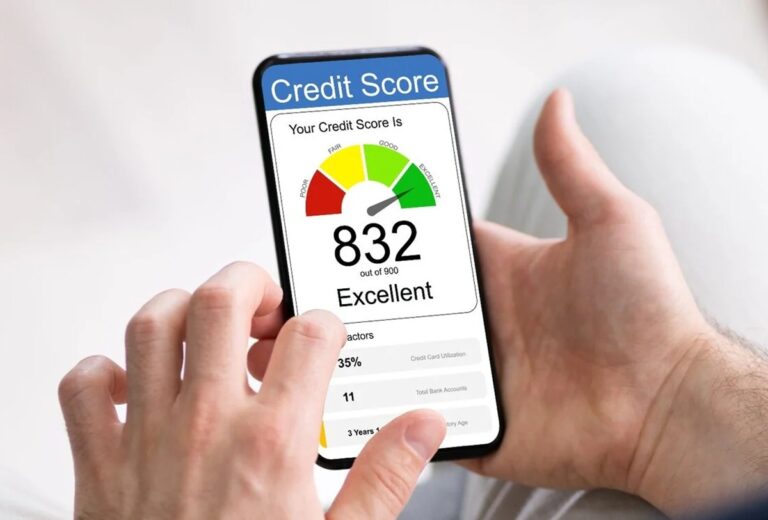 AECB Credit Score: What Is It & How to Improve It?
 A Comprehensive Guide on Student Loans in UAE
 How To Check Your Credit Score Report in UAE
 Mortgage in Dubai: 14 Important Facts You Must Know