
Shopping savings start with comparing the product you need, not the discount percentage. Groceries, household items and larger purchases need different approaches. Use a list, compare the final price and consider storage, quality and return terms before deciding that a sale or bulk pack is good value.
Useful guides to start with
Compare groceries by unit price
Check the price per kilogram, litre or item when pack sizes differ. Compare your usual basket rather than one heavily advertised product. Own-brand alternatives can be worth trying, but buy a small quantity first. Include the cost of delivery or transport when comparing supermarkets and online orders.
Buy quantities you can use
Plan meals around what is already at home and how much you can store. Near-expiry products may offer savings when you can use them safely within the relevant dates and follow storage instructions. A larger pack is not cheaper if much of it is wasted. Our grocery and budget shopping guides offer practical starting points.
Check larger purchases more carefully
For furniture, electronics, jewellery and household items, compare specifications, warranty, delivery and returns alongside price. Markets and outlets can offer options, but inspect quality and confirm the seller’s terms. Keep receipts and written agreements. The Dragon Mart and outlet guides explain what to consider at those shopping destinations.
Keep payment separate from affordability
Promo codes and loyalty points can lower a bill, but instalments do not lower the product’s total cost by themselves. Review due dates, fees and what happens if a payment is missed. Avoid adding items just to reach a discount threshold. Decide what you can afford before choosing the payment method.
All Shopping & Groceries guides
 Your Ultimate Guide to Getting the Best Prices at Dubai’s Gold and Diamond Park
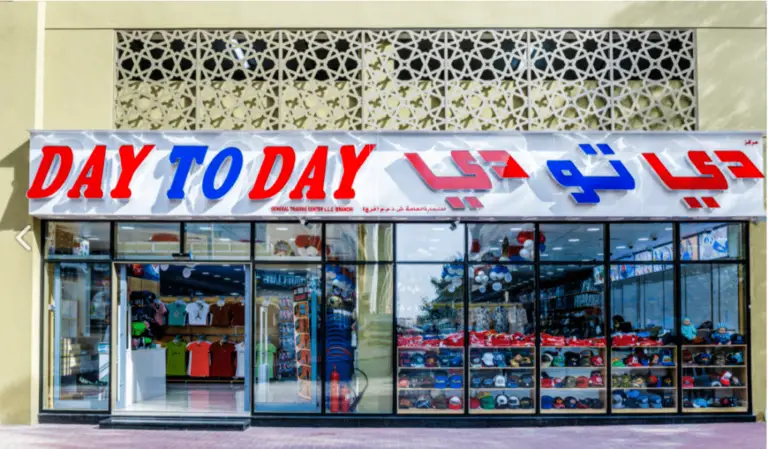 Day to Day: Your Ultimate Guide to Budget Shopping
 Esaad Card: Discounts on Restaurants, Retail, and Education
 11 Tips to Master the Art of Online Shopping
 Buy Now Pay Later UAE (2026)
 Dubai Outlet Mall – A Haven for Savvy Shoppers
 Club Apparel: Here’s How You Can Save Big On Shopping
 Fazaa Card: A Quick Guide to Eligibility, Benefits, and Discounts!
 Dragon Mart Shopping Tips: Making the Most of Your Visit
 15 Best Thrift Stores in Dubai to Shop For Less
 Yusuf Bhai: Dubai’s Cheapest Way to Smell Expensive
 10 Secret Santa Gift Ideas under AED 50
 Loyalty Programmes in Dubai by Category: Best in Retail, Groceries, Fuel, Hotels, and Airlines