
UAE real estate can mean a home to live in, a rental property or an investment through a platform. Each has different costs, risks and access to your money. Start with the purpose of the purchase and the cash you can commit, then compare the property and the transaction as carefully as the advertised return.
Useful guides to start with
Set the purpose and full budget
Separate the decision to buy a home from the decision to earn rental income. List the purchase price, transaction and finance costs, service charges, maintenance and a cash reserve. Our cash-needed guide and deposit calculator help organise these items. Do not judge affordability from the deposit alone.
Compare off-plan and ready property
A ready property can be inspected and assessed for immediate use, while an off-plan purchase depends on future delivery and its contract terms. Compare payment schedules, handover obligations, cancellation conditions and financing availability. The off-plan versus ready guide explains the questions to ask rather than assuming one format is always better.
Check the property and the people involved
Verify the property, developer, broker and relevant registration with the responsible authority. Review ownership documents or project information, building condition and ongoing charges. For a rental investment, test assumptions about occupancy, rent and maintenance. A quoted gross yield does not include every cost.
Understand how you can exit
Selling a property can take time and involve additional charges. Platform or fractional investments have their own ownership and withdrawal terms. Read those terms before committing and consider whether you could need the money earlier. The featured articles cover direct purchases, property risk and crowdfunding as distinct decisions.
All Real Estate guides
 Living in Arjan, Dubai: Rent Prices, Pros & Cons and Best Alternatives (2026)
 Off-Plan vs Ready Property in Dubai: Which Is Better in 2026?
 Buy Property in Dubai as a US Citizen: 2026 Guide for Americans
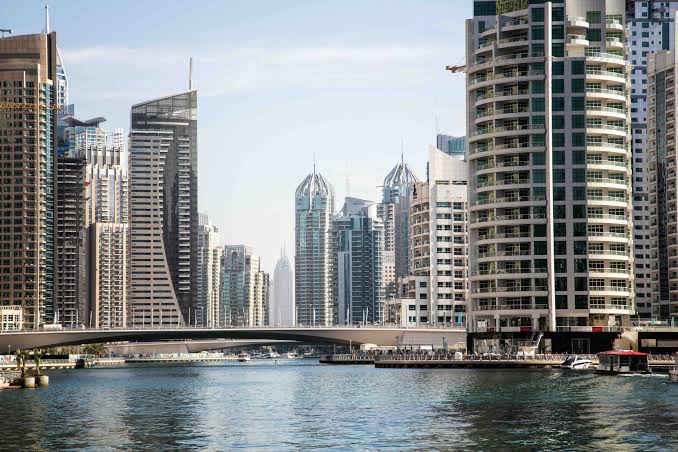 How Much Cash Do You Need to Buy Property in Dubai? (2026)
 Is it Safe to Invest in Real Estate in UAE?
 How to Buy Property in Dubai Without Paying Broker Commission
 How to Choose the Best Buildings in Dubai for Renting or Buying a Property?
 How To Maximize Rental Income In Dubai?
 Top 10 Areas to Buy a House in Dubai
 Investing in International Real Estate as a UAE Resident (2026)
 Real Estate Crowdfunding in Dubai: Invest from AED 500